

Anemia: Causes, Symptoms, and Treatment
Anemia is a common blood disorder affecting millions of people worldwide. It occurs when the body lacks enough healthy red blood cells (RBCs) or hemoglobin to carry adequate oxygen to the body’s tissues. Hemoglobin is the iron-rich protein in red blood cells responsible for transporting oxygen. When there is a deficiency in RBCs or hemoglobin, the body’s organs and tissues don’t get enough oxygen, leading to fatigue and other symptoms.
Anemia is not a single disease but rather a condition with many potential causes. It can be temporary or chronic, mild or severe. Understanding the root causes, recognizing the symptoms, and seeking appropriate treatment can significantly improve outcomes and quality of life for individuals affected by anemia.
Types and Causes of Anemia
There are several different types of anemia, each with its own cause. Some of the most common types include:
1. Iron-Deficiency Anemia
This is the most common type of anemia, resulting from a shortage of iron in the body. Iron is essential for the production of hemoglobin.
Causes include:
- Blood loss due to menstruation, surgery, trauma, or gastrointestinal bleeding (such as ulcers or hemorrhoids)
- Poor dietary intake of iron
- Inability to absorb iron due to conditions like celiac disease or after gastric bypass surgery
- Pregnancy, due to increased iron demands
2. Vitamin Deficiency Anemia
This form of anemia occurs when the body lacks essential vitamins required for red blood cell production, primarily vitamin B12 and folate (vitamin B9).
Causes include:
- Poor dietary intake of B12 or folate
- Malabsorption disorders like pernicious anemia or Crohn’s disease
- Alcoholism
- Certain medications interfering with vitamin absorption
3. Aplastic Anemia
This rare but serious condition occurs when the bone marrow fails to produce enough red blood cells.
Causes include:
- Autoimmune diseases
- Exposure to toxic chemicals, such as pesticides or benzene
- Certain drugs (e.g., chemotherapy)
- Viral infections like hepatitis or Epstein-Barr virus
- Genetic disorders
4. Hemolytic Anemia
In this condition, red blood cells are destroyed faster than they can be produced.
Causes include:
- Autoimmune diseases
- Genetic conditions like sickle cell anemia or thalassemia
- Infections
- Certain medications
- Blood transfusion reactions
5. Sickle Cell Anemia
This is a hereditary form of hemolytic anemia. Red blood cells are abnormally shaped like crescents or sickles, making it difficult for them to flow through blood vessels. 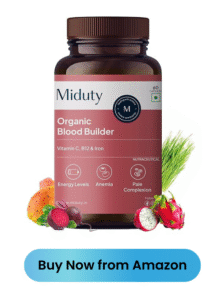
Causes:
- Inherited genetic mutation affecting hemoglobin structure
6. Chronic Disease-Related Anemia
Many chronic illnesses can interfere with red blood cell production.
Causes include:
- Chronic kidney disease
- Cancer
- Rheumatoid arthritis and other autoimmune disorders
- HIV/AIDS
- Inflammatory bowel diseases
Best Food Supplement to Protect Anemia
Symptoms of Anemia
Symptoms of anemia can vary depending on its severity and underlying cause. In the early stages, it may be so mild that it goes unnoticed. However, as it progresses, the symptoms become more apparent and may include:
Common Symptoms:
- Fatigue and weakness: Due to lack of oxygen supply to tissues.
- Pale or yellowish skin: Caused by reduced red blood cell count or breakdown of RBCs.
- Shortness of breath: Especially during exertion.
- Dizziness or lightheadedness
- Cold hands and feet: Due to poor blood circulation.
- Chest pain or irregular heartbeat: The heart works harder to deliver oxygen.
- Headaches
- Brittle nails
- Cognitive difficulties: Trouble concentrating or remembering.
In severe cases or with specific types of anemia (like sickle cell anemia), symptoms can include:
- Joint pain
- Delayed growth in children
- Vision problems
- Increased risk of infections
It’s important to note that these symptoms are not exclusive to anemia and may indicate other medical conditions. Hence, proper medical evaluation is crucial.
Diagnosis of Anemia
Diagnosis begins with a physical exam and a detailed medical history, followed by blood tests. The most common diagnostic tests include:
1. Complete Blood Count (CBC)
A CBC measures various components of blood, including:
- Hemoglobin levels
- Hematocrit (percentage of blood composed of RBCs)
- RBC count
- Mean corpuscular volume (MCV), indicating the size of RBCs
2. Peripheral Blood Smear
Examines the shape, size, and number of red blood cells under a microscope.
3. Iron Studies
Includes serum iron, ferritin (stored iron), transferrin, and total iron-binding capacity (TIBC).
4. Vitamin Levels
Blood tests to measure levels of vitamin B12 and folate.
5. Bone Marrow Examination
May be necessary in cases of suspected aplastic anemia, leukemia, or other bone marrow disorders.
6. Other Tests
Depending on the suspected cause, additional tests may include:
- Reticulocyte count (to measure new RBC production)
- Tests for kidney function (creatinine levels)
- Genetic testing for inherited conditions like sickle cell anemia
Treatment of Anemia
The treatment of anemia depends entirely on its cause. Addressing the root issue is key to successful management. Below are the main treatment approaches based on different types of anemia:
1. Iron-Deficiency Anemia
Treatment includes:
- Iron supplements: Oral ferrous sulfate is most commonly used.
- Dietary changes: Increase intake of iron-rich foods such as red meat, poultry, fish, beans, lentils, spinach, and fortified cereals.
- Vitamin C: Enhances iron absorption when taken alongside iron-rich foods or supplements.
- Treating underlying causes: Such as stopping internal bleeding or managing heavy menstrual flow.
2. Vitamin Deficiency Anemia
Treatment includes:
- Vitamin B12 or folic acid supplements: Can be taken orally or via injections, depending on severity and absorption issues.
- Dietary improvements: Include foods high in B12 (meat, eggs, dairy) and folate (leafy greens, fruits, nuts, and fortified grains).
3. Aplastic Anemia
Treatment often involves more intensive interventions, including:
- Blood transfusions
- Bone marrow or stem cell transplantation
- Immunosuppressive therapy
- Medications to stimulate bone marrow
4. Hemolytic Anemia
Treatment may include:
- Immunosuppressive medications (like corticosteroids)
- Treating infections
- Avoiding triggers (like certain drugs)
- Blood transfusions
- Surgery to remove the spleen in severe or chronic cases
5. Sickle Cell Anemia
There is no universal cure, but treatments aim to relieve symptoms and prevent complications:
- Pain management
- Hydroxyurea: A medication that reduces the frequency of sickling episodes
- Blood transfusions
- Bone marrow transplant: Can be curative in some cases
- Supportive care: Staying hydrated, avoiding stress, and managing infections promptly
6. Chronic Disease-Related Anemia
Treating the underlying disease is critical:
- Erythropoiesis-stimulating agents (ESAs) to boost red blood cell production
- Iron supplements if iron-deficiency coexists
- Management of chronic illness like kidney disease, cancer, or autoimmune conditions
Prevention of Anemia
While not all types of anemia are preventable, many can be avoided or minimized with appropriate lifestyle and dietary choices.
Key Prevention Strategies:
- Balanced diet: Ensure intake of iron, B12, and folate.
- Iron-rich foods: Red meat, beans, fortified cereals, leafy greens.
- Vitamin C: Improves iron absorption.
- Avoid excessive blood donation without proper recovery.
- Routine screening: Especially for pregnant women, menstruating women, and people with chronic illnesses.
- Genetic counseling: For families with a history of inherited anemias.
Living with Anemia
Managing anemia involves more than just medical treatment. People living with chronic anemia should:
- Follow medical advice consistently
- Monitor symptoms and report changes
- Eat a nutrient-rich diet
- Avoid strenuous activities during flare-ups
- Stay hydrated
- Get adequate rest
For those with lifelong or severe forms of anemia, support groups and counseling can also help manage the emotional and psychological effects.
Conclusion
Anemia is a widespread condition that ranges in severity and complexity. While some forms are easily treatable with dietary changes and supplements, others may require long-term medical management or even invasive treatments. Early diagnosis, a good understanding of the underlying cause, and a tailored treatment plan are essential for successful management.
Regular health checkups, proper nutrition, and attention to symptoms can go a long way in preventing and treating anemia, ultimately improving overall well-being and quality of life.