
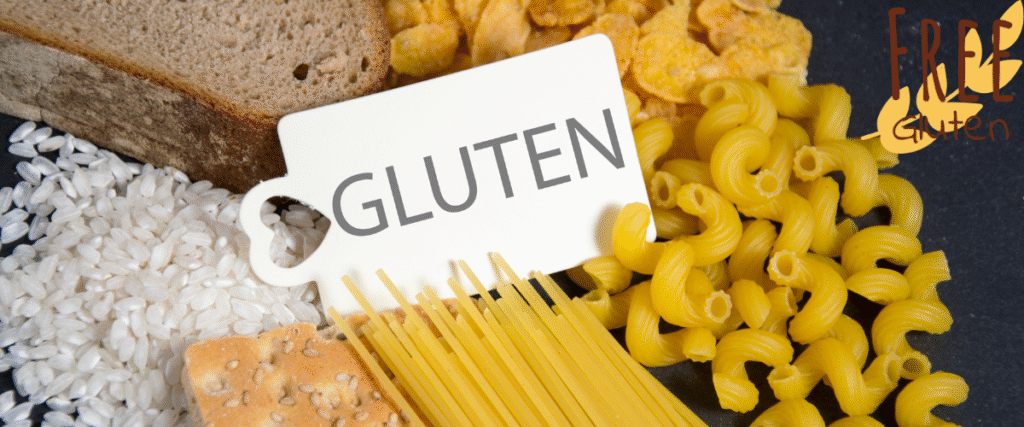
Gluten: A Benefit or Harm to the Body?
Gluten, a term we often encounter in dietary discussions and health blogs, has become one of the most debated substances in recent years. For some, it’s a healthy part of their diet, while for others, it’s an enemy. With so much attention given to gluten-related health concerns, it’s important to take a step back and understand what it is, what it contains, its potential benefits, and its possible harms. In this article, we’ll explore gluten from all angles to answer the question: is it truly beneficial or harmful to our bodies?
At its core, gluten is a group of proteins found in certain grains. Specifically, it’s present in wheat, barley, rye, and oats (though oats are sometimes contaminated with gluten due to processing). These proteins play a critical role in food production, providing elasticity and texture to doughs, and helping them rise and maintain their shape.
The two primary types of proteins that make up gluten are gliadin and glutenin. Gliadin is responsible for the elasticity and the ability to rise, whereas glutenin contributes to the dough’s strength and stretchiness. Together, they form the “glue-like” consistency that allows dough to retain its shape and elasticity when baked.
Types of Gluten
Though gluten is often used as a catch-all term, it can vary in composition and form depending on the type of grain. There are several different varieties of gluten based on the source, but wheat gluten is by far the most widely consumed. Here’s a look at the types of gluten found in different grains:
1. Wheat Gluten: This is the most common and the primary form found in bread, pasta, and baked goods. It is often simply referred to as “gluten” and is found in its most recognizable form in foods like loaves of bread or pizza dough.
2. Barley Gluten: Found in barley, this gluten is less common but still present in certain foods such as malted beverages and cereals.
3. Rye Gluten: Rye contains a different form of gluten, which is often used in rye bread and other baked products. While it’s a distant cousin to wheat gluten, it still has similar effects in baking.
What Does Gluten Contain?
Gluten is primarily made up of two groups of proteins: gliadins and glutenins. These proteins are essential for their functional properties in baking. Here’s a closer look at their contents and functions:
1. Gliadin: This protein is responsible for gluten’s elasticity. It helps dough to stretch and rise. It is also the protein that is primarily responsible for gluten-related health issues in people with celiac disease.
2. Glutenin: This protein provides dough with structure and strength. It helps the dough to hold together and retain its shape, which is important when making bread or pasta.
When combined, gliadin and glutenin create a network of proteins that trap air bubbles in dough, helping it rise and giving bread its characteristic texture. This protein complex is responsible for much of the appeal of wheat-based products—soft, chewy textures, and the ability to rise when baked.
The Benefits of Gluten
For most people, gluten is not only safe to consume but can also be beneficial to their diet. Here are some of the positive aspects of gluten for those who tolerate it well:
1. Provides Essential Protein: Gluten contains a significant amount of protein, making it an essential part of many plant-based diets. Wheat, in particular, is a good source of protein, especially for vegetarians or those who do not consume animal products. The proteins found in gluten can support muscle repair, tissue growth, and general bodily functions.
2. Improves Bread Texture: Gluten plays a central role in creating the texture of bread and other baked goods. Its ability to trap air and provide elasticity gives bread its chewy and soft texture, which many people find appealing.
3. Supports Digestive Health: Whole grains, such as those containing gluten, are rich in fiber, which supports digestive health. Fiber helps maintain regular bowel movements, reduces constipation, and can lower the risk of digestive diseases. Many whole grain foods like whole wheat, barley, and rye also contain vitamins and minerals beneficial to digestive health.
4. Energy Source: Grains that contain gluten are often energy-dense foods, providing necessary carbohydrates that fuel the body. These foods offer a good source of sustained energy, making them a staple in many cultures and diets.
5. Culinary Versatility: Gluten plays a central role in making foods more versatile in the kitchen. It is found in a variety of recipes, from traditional pasta and pizza dough to baked goods like cookies, cakes, and pastries. Its ability to form a stable structure makes it indispensable in the preparation of many culinary staples.
The Harms of Gluten
While gluten is generally safe for the vast majority of the population, it can have significant negative effects on certain individuals, especially those with specific health conditions. Below are some of the harms or issues related to gluten consumption:
1. Celiac Disease: Celiac disease is a severe autoimmune disorder in which consuming gluten triggers an immune response that damages the small intestine. Over time, this damage can lead to malabsorption of nutrients, chronic diarrhea, weight loss, and other serious health problems. This condition affects roughly 1% of the population worldwide, and those with celiac disease must completely avoid gluten in all forms.
2. Non-Celiac Gluten Sensitivity: Some individuals may not have celiac disease but still experience adverse reactions to gluten. This condition, known as non-celiac gluten sensitivity, can cause bloating, stomach pain, fatigue, and headaches. While it is not fully understood, people with this sensitivity may choose to avoid gluten for symptom relief, even though it doesn’t cause permanent damage like celiac disease.
3. Wheat Allergy: Wheat allergy is another concern. In this case, the body treats wheat as a harmful substance, causing an allergic reaction. While this is distinct from gluten intolerance, it can result in symptoms like hives, difficulty breathing, and anaphylaxis in severe cases.
4. Potential Impact on Gut Health: Some studies suggest that, for certain individuals, gluten may disrupt gut health by increasing intestinal permeability (often referred to as “leaky gut”). This may allow toxins or undigested food particles to pass through the intestinal lining, triggering an immune response and inflammation.
5. Impact on Inflammation: There is some evidence to suggest that for those with certain chronic conditions, gluten can exacerbate inflammation. Conditions such as rheumatoid arthritis, irritable bowel syndrome (IBS), and even some neurological conditions may worsen with gluten consumption, although research is still ongoing.
### How is Gluten Used in Foods?
Gluten is a key ingredient in many foods, particularly in baking and processed foods. It’s used for several functions:
1. **Binding Agent**: Gluten helps bind ingredients together, preventing crumbling in products like bread, cakes, and pizza dough.
2. **Texture and Structure**: In bread-making, gluten helps dough to rise and maintain its shape. It contributes to the light, airy texture we expect in many baked goods.
3. **Thickening Agent**: Gluten is often used in sauces, soups, and gravies as a thickening agent due to its ability to absorb liquid and form a gel-like texture.
4. **Processed Foods**: Many processed foods, including certain snacks, deli meats, and even imitation meat products, use gluten as a stabilizer or to give texture and mouthfeel.
5. **Vegan and Vegetarian Foods**: Gluten is a main ingredient in some plant-based meat alternatives, such as seitan. It provides the chewy texture that mimics meat, making it a popular protein source for vegetarians and vegans.

### Conclusion: Is Gluten a Benefit or Harm to the Body?
The question of whether gluten is a benefit or harm to the body is complex and largely depends on the individual. For most people, gluten poses no risk and can even be beneficial, providing important protein and energy while enhancing the texture of foods we love to eat. In addition, gluten-containing whole grains are often an excellent source of dietary fiber and micronutrients, supporting overall health.
However, for individuals with celiac disease, non-celiac gluten sensitivity, or wheat allergies, gluten is undoubtedly harmful and must be avoided at all costs. The negative effects of gluten on these individuals can be severe and lifelong.
For those without these specific conditions, gluten is generally not harmful. It is important, though, for individuals to listen to their bodies. If gluten consumption seems to trigger discomfort or other issues, it may be worth consulting a healthcare professional for further evaluation.
Ultimately, gluten is not inherently harmful—it is a matter of individual tolerance and health conditions. As we continue to learn more about the impact of it on our health, it’s clear that the answer to whether it is a benefit or harm depends on one’s unique body and medical needs.