
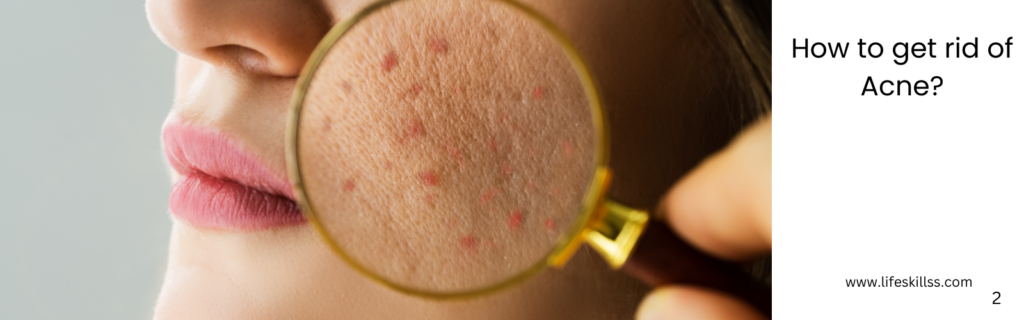
How to Get Rid of Acne?
Acne!!! Pimples is one of the most common problem of youngsters. skin, especially among teenagers and young adults. It’s not just about a few occasional pimples—it can affect self-esteem and lead to long-term scarring if not managed properly. This guide dives into everything you need to know about acne: what it is, why it happens, its types, prevention tips, home and Ayurvedic remedies to help you manage and eventually get rid of it.
What Is Acne and Its Types?
Acne is a skin condition which occurs due to the harmonal imbalance in our body, it happens when your hair follicles become blocked with dead skin cells and oil. It often causes pimples, whiteheads and blackheads, especially on the face, chest, shoulders, and back.
Age Group Affected
Acne mainly affects during puberty of an individual, between the age group of 12 and 22. Hormonal changes during these years increase oil (sebum) production in the skin, leading to clogged pores and breakouts. However, acne can also persist into adulthood in some cases. dark circle
Types of Acne
Understanding the type of acne you have can help in choosing the right treatment. Here are the most common types:
- Whiteheads (Closed Comedones)
Small bumps that stay under the skin. They appear as white spots. - Blackheads (Open Comedones)
Open pores filled with oil and dead skin. Exposure to air causes the contents to oxidize and turn black. - Papules
Small red, tender bumps caused by inflamed or infected hair follicles. - Pustules
Red pimples with white or yellow pus-filled centers. - Nodules
Large, painful lumps beneath the surface of the skin, indicating a more severe type of acne. - Cystic Acne
The most severe form. Cysts are painful, pus-filled lumps that can cause scarring.
Causes of Acne
Several factors contribute to acne, including:
- Hormonal changes (especially during puberty, menstruation, or stress)
- Excess oil production
- Bacteria (Propionibacterium acnes)
- Dead skin cells clogging pores
- Certain foods (e.g., high sugar or dairy intake)
- Cosmetic products that are comedogenic
- Genetics
Prevention Tips
While acne can’t always be avoided, you can minimize breakouts with a few simple habits:
- Keep your face clean
Wash twice daily with a gentle, non-comedogenic cleanser. - Don’t touch your face
Your hands carry bacteria that can worsen acne. - Avoid over-washing
Scrubbing too hard or washing too often can irritate skin and make acne worse. - Use oil-free skincare products
Choose non-comedogenic makeup and sunscreen. - Shower after sweating
Sweat can trap dirt and bacteria in pores. - Eat a balanced diet
Reduce dairy, sugar, and oily food intake. - Manage stress
Practice yoga, meditation, or deep breathing to balance hormone levels.
Home Remedies for Acne
If you’re looking for natural remedies, here are some effective options:
1. Honey and Cinnamon Mask
Both honey and cinnamon have antibacterial properties.
- Mix 2 tablespoons of honey with 1 teaspoon of cinnamon.
- Apply on face for 10–15 minutes and rinse.
2. Tea Tree Oil
Has anti-inflammatory and antimicrobial effects.
- Dilute with a carrier oil (like coconut oil).
- Dab on pimples using a cotton swab once or twice a day.
3. Aloe Vera Gel
Soothes the skin and reduces inflammation.
- Apply fresh aloe vera gel directly to affected areas.
- Leave it on overnight and rinse in the morning.
4. Apple Cider Vinegar Toner
Kills acne-causing bacteria and balances skin pH.
- Mix 1 part ACV with 3 parts water.
- Apply with a cotton pad and leave for 5–20 seconds, then rinse.
Always patch-test home remedies before full application.
Ayurvedic Remedies for Acne
Ayurveda sees acne (referred to as “Yuvan Pidika”) as a result of Pitta dosha imbalance—excess heat and toxins in the body.
Here are some time-tested Ayurvedic treatments and practices:
1. Neem (Azadirachta indica)
- Why it helps: Antibacterial and detoxifying.
- How to use: Boil neem leaves and use the water to wash your face, or apply neem paste as a mask.
2. Turmeric (Haldi)
- Why it helps: Anti-inflammatory and antimicrobial.
- How to use: Mix turmeric powder with honey or aloe vera and apply on pimples.
3. Manjistha (Rubia cordifolia)
- Why it helps: Blood purifier and excellent for skin issues.
- How to use: Take manjistha capsules (consult a practitioner) or use the powder with rose water as a mask.
4. Triphala
- Why it helps: Detoxifies the gut, indirectly helping skin health.
- How to use: Drink Triphala water in the morning on an empty stomach.
5. Sandalwood (Chandan) and Rose Water
- Why it helps: Cools the skin and reduces inflammation.
- How to use: Make a paste and apply to affected areas 2–3 times a week.
6. Diet According to Ayurveda
- Avoid spicy, fried, and overly processed foods.
- Drink plenty of warm water and herbal teas like tulsi or coriander.
- Include bitter vegetables like karela (bitter gourd) and neem.
When to See a Dermatologist
If your acne:
- Is painful or cystic
- Is leaving scars
- Doesn’t improve with home remedies
Then it’s best to consult a skin specialist. You may need prescription treatments like retinoids, antibiotics, or hormonal therapy.
Final Thoughts
Acne can be frustrating, but with the right care, it’s completely manageable. Whether you choose modern treatments, natural home solutions, or Ayurvedic wisdom, consistency and patience are key. Start with a good skincare routine, adjust your diet, and give your skin the attention it deserves. And remember—acne is totally normal, especially in your teens and early twenties.